IADR Abstract Archives
“MAXILLOFACIAL TRAUMA: CURRENT PRACTICE IN MANAGEMENT AT MAYO HOSPITAL LAHORE, PAKISTAN”
Objectives: To determine the varying etiology, pattern and mode of treatment of maxillofacial injuries in a largest tertiary care Mayo Hospital Lahore Pakistan.
Methods: Patients and Methods: This study was conducted on 214 consecutive indoor/ outdoor and emergency patients with maxillofacial injuries. Data concerning the patients' demographics, aetiology, occupation, socioeconomic stratus and pattern of maxillofacial injuries were obtained and analysed.
Design: A descriptive study.
Place and Duration of Study: January 2010 to June 2013 at the Oral and Maxillofacial Surgery Department, King Edward Medical University/ Mayo Hospital Lahore, Pakistan.
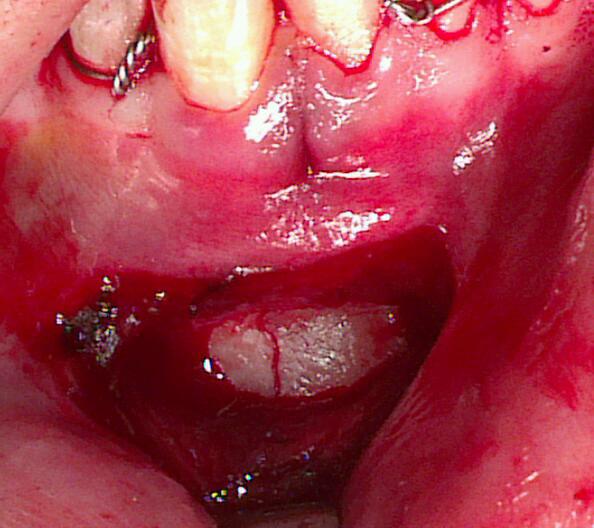
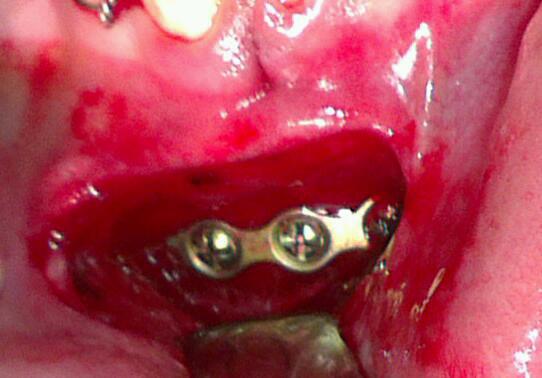
Results: The most frequent bone fractured was the mandible, which accounted for 106 cases 49.5%, followed by 15.4% of pan facial (full house) fractures and 15.4% of Zygomatic complex fracture. The associated mid face fractures were found in 12.6 % and isolated nasal bone fractures were found in 1.5% cases. The most common cause of injury was RTAs 58.4%, followed by accidental falls 24%, FAIs 6.1%, interpersonal violences 2.8% and sports and other injuries were 8.4% cases. Employees 49.5% and students 31.3% in age groups 20-40 years are mostly affected by RTA, while falls 14.4% are more common in age group less than 20 years. ORIF alone 43.9%, MMF±suspension 38.8% and ORIF with MMF 14.5% cases were the main mode of treatment in our centre.
Conclusions: In this case series, mandible was the most commonly fractured facial bone; RTAs especially by motorbike and chigchi rikshaw were the most common etiological factors. Results could be influenced by the personal and working environment.
Methods: Patients and Methods: This study was conducted on 214 consecutive indoor/ outdoor and emergency patients with maxillofacial injuries. Data concerning the patients' demographics, aetiology, occupation, socioeconomic stratus and pattern of maxillofacial injuries were obtained and analysed.
Design: A descriptive study.
Place and Duration of Study: January 2010 to June 2013 at the Oral and Maxillofacial Surgery Department, King Edward Medical University/ Mayo Hospital Lahore, Pakistan.
Results: The most frequent bone fractured was the mandible, which accounted for 106 cases 49.5%, followed by 15.4% of pan facial (full house) fractures and 15.4% of Zygomatic complex fracture. The associated mid face fractures were found in 12.6 % and isolated nasal bone fractures were found in 1.5% cases. The most common cause of injury was RTAs 58.4%, followed by accidental falls 24%, FAIs 6.1%, interpersonal violences 2.8% and sports and other injuries were 8.4% cases. Employees 49.5% and students 31.3% in age groups 20-40 years are mostly affected by RTA, while falls 14.4% are more common in age group less than 20 years. ORIF alone 43.9%, MMF±suspension 38.8% and ORIF with MMF 14.5% cases were the main mode of treatment in our centre.
Conclusions: In this case series, mandible was the most commonly fractured facial bone; RTAs especially by motorbike and chigchi rikshaw were the most common etiological factors. Results could be influenced by the personal and working environment.
IMAGES
2360312_File000000.jpg
2360312_File000001.jpg
2360312_File000000.jpg
2360312_File000001.jpg