IADR Abstract Archives
AVASCULAR NECROSIS OF MAXILLA IN UNCONTROLLED DIABETICS
Objectives: To evaluate the significance of uncontrolled diabetes mellitus (DM) as a valuable causative factor in avascular necrosis of maxilla.
Methods: Two case reports presented, concerning avascular necrosis of the maxilla as a result of uncontrolled diabetes in old age, in the absence of other contributing factors.
Studies present many cases reporting avascular necrosis of the maxilla due to multiple reasons, but rarely, diabetes has been investigated as a sole contributing factor in patients presenting with exposed intra-oral necrotic maxillary bone.
Results: Of the two cases reported, both were found to have uncontrolled diabetes mellitus. The mean values were: blood sugar random; 528 mg/dL, age; 65 years. Glycosylated hemoglobin ( HbA1C) of both patients fell into the poor control category.
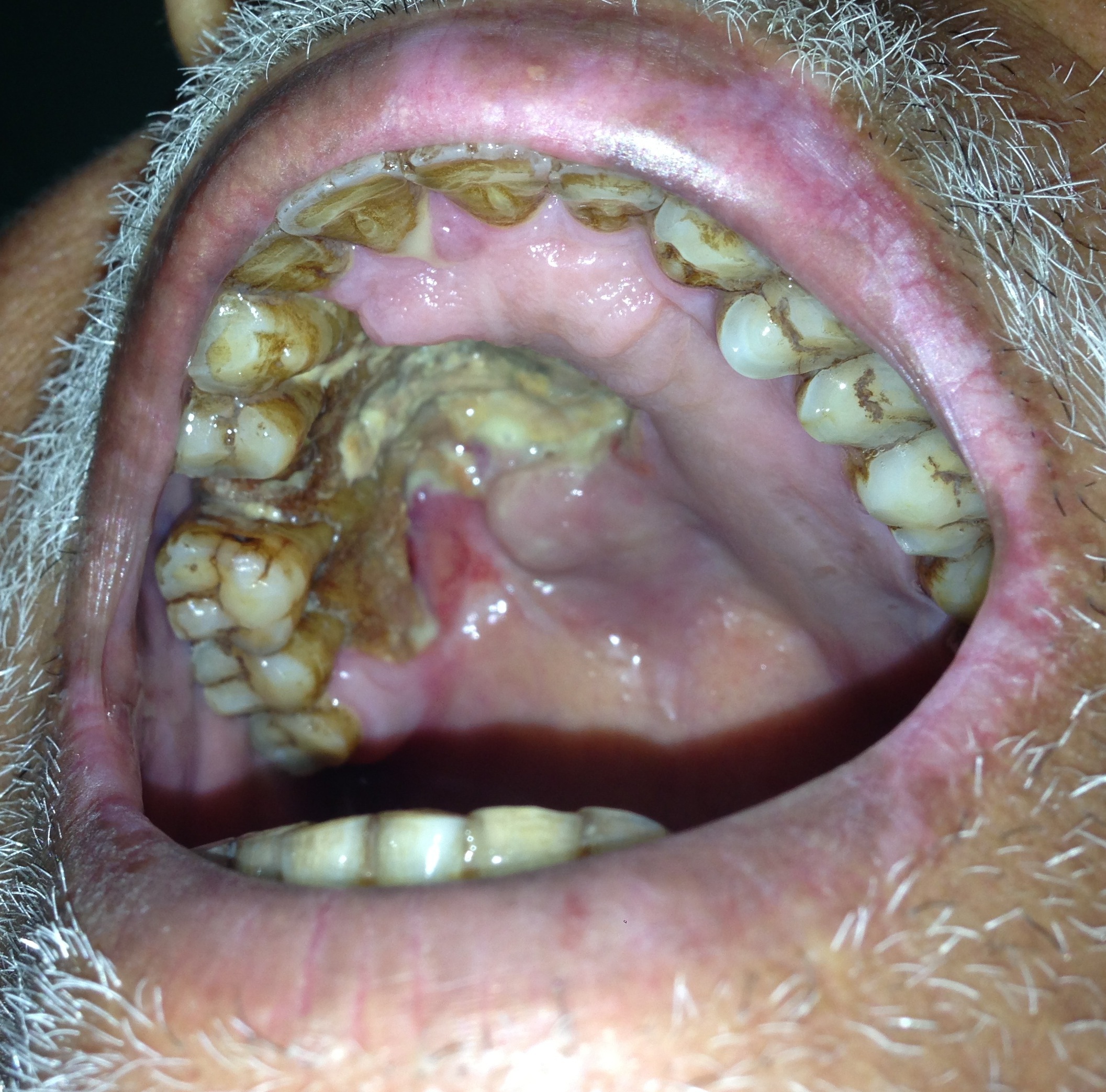
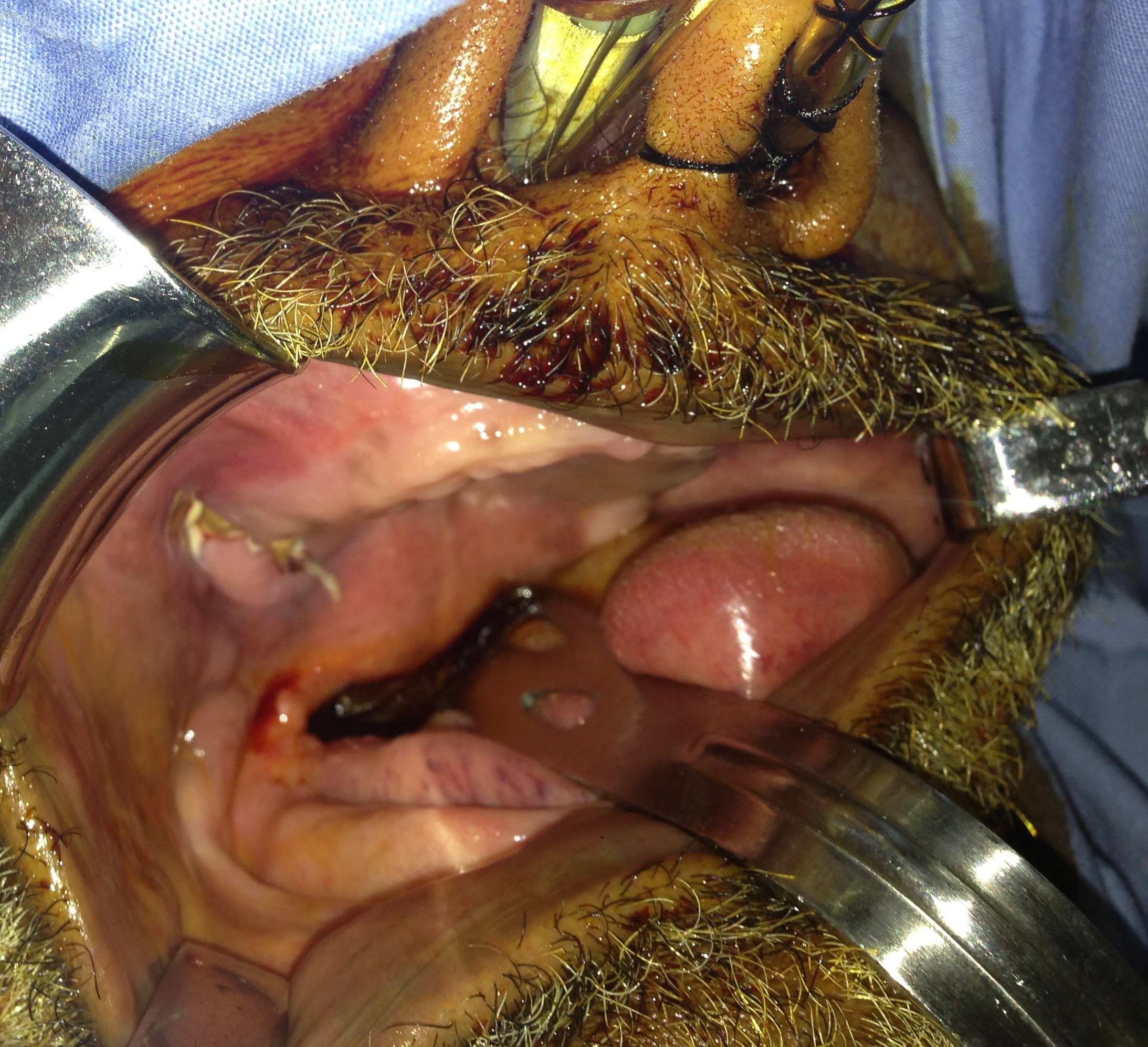
The patients presented with exposed maxillary/palatal bone and foul smelling oral discharge. However, there was no pain. Bacterial culture sensitivity reported no growth as well as no fungal hyphae were detected. Clinical, radiographic and histopathological examination of incisional biopsy specimen revealed avascular necrosis.
Conclusions: Diabetes is associated with micro-angiopathy leading to vascular dysfunction, microvascular ischemia, decreased bone turnover and remodeling as well as induced apoptosis of osteoblasts and osteocytes. Intracellular accumulation of glucose and its metabolites, along with altered lipid metabolism cause endothelial cell dysfunction, combined with microalbuminuria poses a risk marker for atherothrombosis. In old aged diabetics, intrinsic stiffening of red cells, in combination with lipid accumulation in muscles leads to weakening of the bone which makes it susceptible to any pathology. Moreover, Uncontrolled Diabetes leads to decreased cellular glutathione levels causing increased oxidative stress which alone is sufficient to promote osteonecrosis.
Since, periosteal blood supply predominates in old age, we suggest that prolonged and repeated episodes of hyperglycemia could lead to permanent vascular dysfunction, ultimately causing avascular necrosis of maxilla.
Methods: Two case reports presented, concerning avascular necrosis of the maxilla as a result of uncontrolled diabetes in old age, in the absence of other contributing factors.
Studies present many cases reporting avascular necrosis of the maxilla due to multiple reasons, but rarely, diabetes has been investigated as a sole contributing factor in patients presenting with exposed intra-oral necrotic maxillary bone.
Results: Of the two cases reported, both were found to have uncontrolled diabetes mellitus. The mean values were: blood sugar random; 528 mg/dL, age; 65 years. Glycosylated hemoglobin ( HbA1C) of both patients fell into the poor control category.
The patients presented with exposed maxillary/palatal bone and foul smelling oral discharge. However, there was no pain. Bacterial culture sensitivity reported no growth as well as no fungal hyphae were detected. Clinical, radiographic and histopathological examination of incisional biopsy specimen revealed avascular necrosis.
Conclusions: Diabetes is associated with micro-angiopathy leading to vascular dysfunction, microvascular ischemia, decreased bone turnover and remodeling as well as induced apoptosis of osteoblasts and osteocytes. Intracellular accumulation of glucose and its metabolites, along with altered lipid metabolism cause endothelial cell dysfunction, combined with microalbuminuria poses a risk marker for atherothrombosis. In old aged diabetics, intrinsic stiffening of red cells, in combination with lipid accumulation in muscles leads to weakening of the bone which makes it susceptible to any pathology. Moreover, Uncontrolled Diabetes leads to decreased cellular glutathione levels causing increased oxidative stress which alone is sufficient to promote osteonecrosis.
Since, periosteal blood supply predominates in old age, we suggest that prolonged and repeated episodes of hyperglycemia could lead to permanent vascular dysfunction, ultimately causing avascular necrosis of maxilla.
IMAGES
2360127_File000000.JPG
2360127_File000001.JPG
2360127_File000000.JPG
2360127_File000001.JPG