IADR Abstract Archives
DISTRACTION OSTEOGENESIS FOR THE CORRECTION OF SEVERE MANDIBULAR DEFICIENCY.
Objectives: To assess the effectiveness of mono-planar mandibular distractor by evaluating the treatment effect and 1-year stability, measuring changes on the affected and non affected sides, and evaluating correction of the occlusal plane and oral commissural cant.
Methods: Study design: Longitudinal interventional study
Setting: Oral and Maxillofacial Surgery Department King Edward Medical University/ Mayo Hospital Lahore.
Sample size: Sample size was 15 patients meeting the inclusion criteria.
Sampling technique: Non probability purposive sampling.
Inclusion criteria:
1-patients having severe mandibular hypoplasia.
2-age range between 10 to 25years.
3-mandibular deficiency either due to TMJ ankylosis or congenital problems.
Exclusion criteria:
1-unwilling patient.
2- medically and surgically unfit patients.
Results:
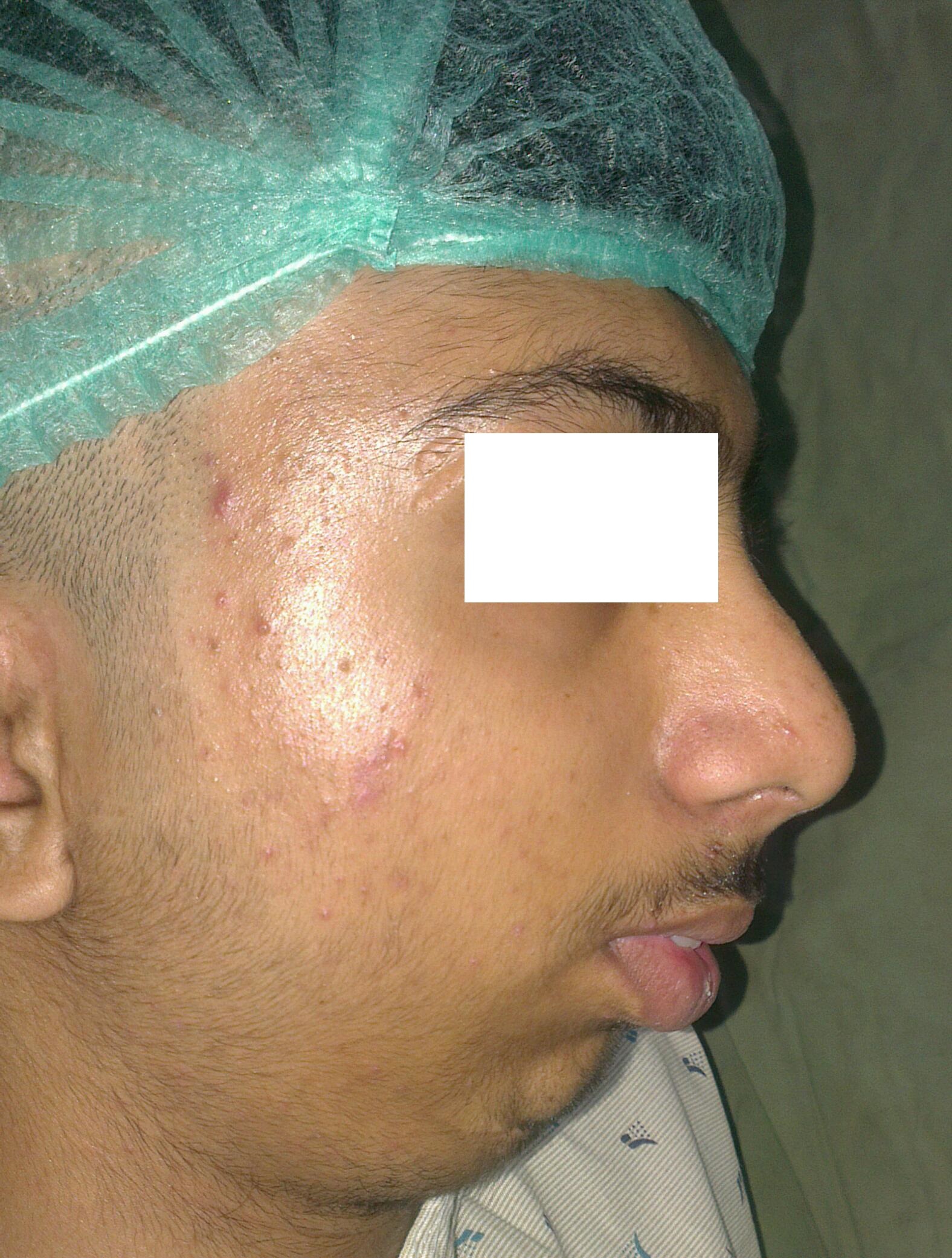
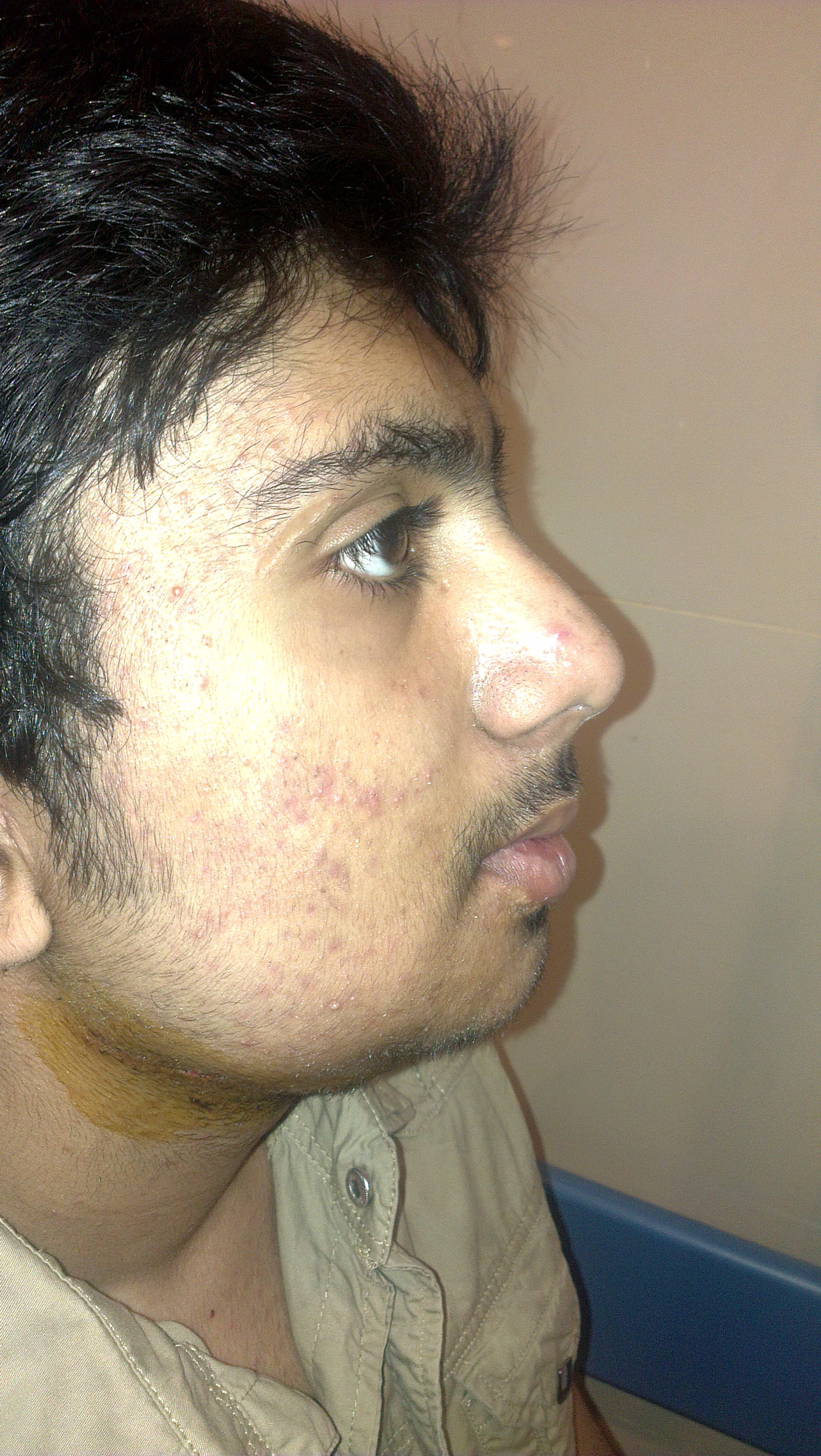
The patient's mandible was elongated successfully. Cephalometric analysis revealed that ANB angle decreased from 13° to 6°, overjet of 15 mm decreased to 4 mm, corpus length increased from 49 mm to 67 mm. Posterior airway space (PAS) also increased due to advancement of the mandible.
Conclusions: Satisfactory results from both aesthetic and functional standpoints were obtained by distraction osteogenesis of the body of mandible.
Methods: Study design: Longitudinal interventional study
Setting: Oral and Maxillofacial Surgery Department King Edward Medical University/ Mayo Hospital Lahore.
Sample size: Sample size was 15 patients meeting the inclusion criteria.
Sampling technique: Non probability purposive sampling.
Inclusion criteria:
1-patients having severe mandibular hypoplasia.
2-age range between 10 to 25years.
3-mandibular deficiency either due to TMJ ankylosis or congenital problems.
Exclusion criteria:
1-unwilling patient.
2- medically and surgically unfit patients.
Results:
The patient's mandible was elongated successfully. Cephalometric analysis revealed that ANB angle decreased from 13° to 6°, overjet of 15 mm decreased to 4 mm, corpus length increased from 49 mm to 67 mm. Posterior airway space (PAS) also increased due to advancement of the mandible.
Conclusions: Satisfactory results from both aesthetic and functional standpoints were obtained by distraction osteogenesis of the body of mandible.
IMAGES
2360090_File000000.jpg
2360090_File000001.jpg
2360090_File000000.jpg
2360090_File000001.jpg