IADR Abstract Archives
Clinical Evaluation of a Universal Adhesive in Non-Carious Cervical Lesion
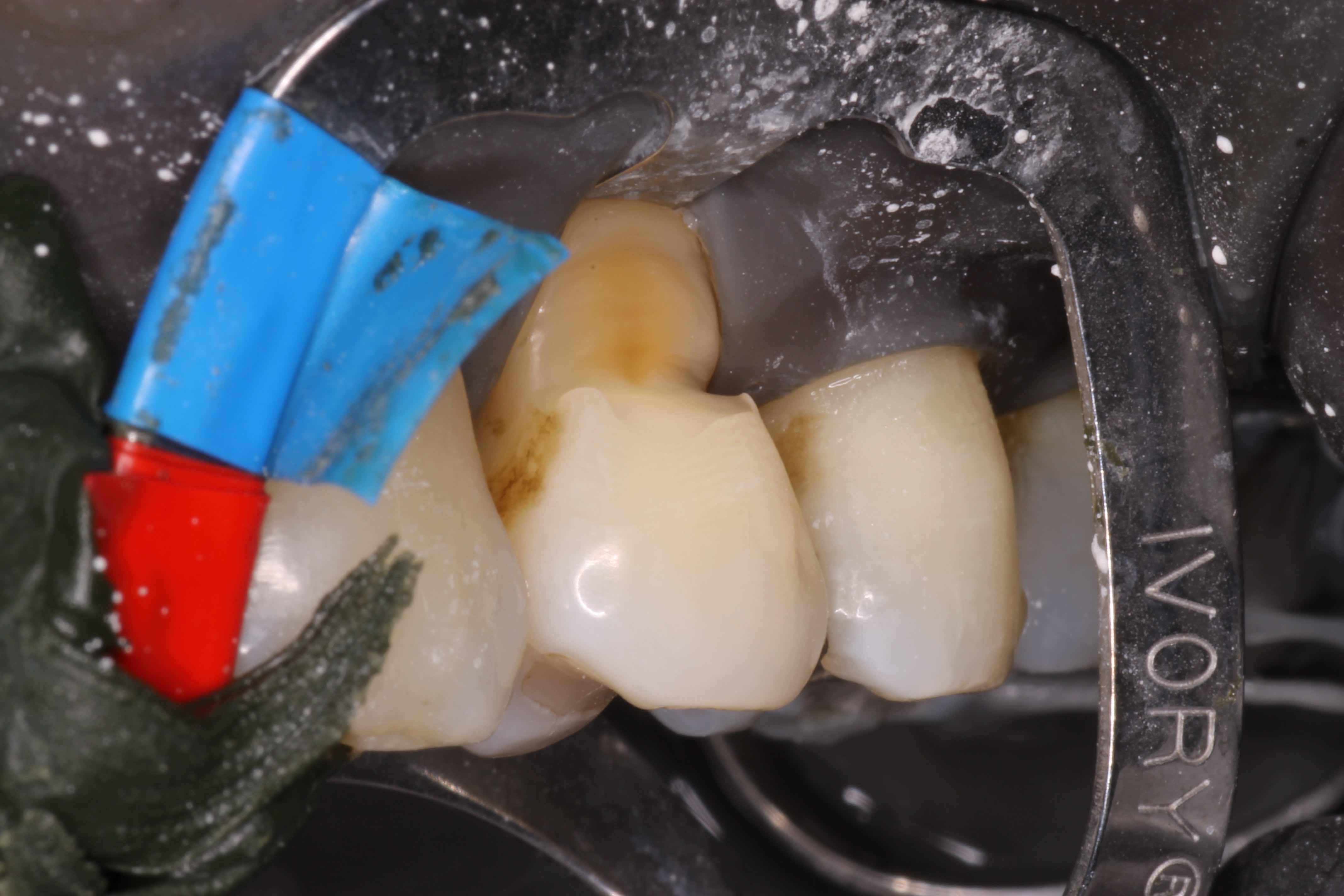
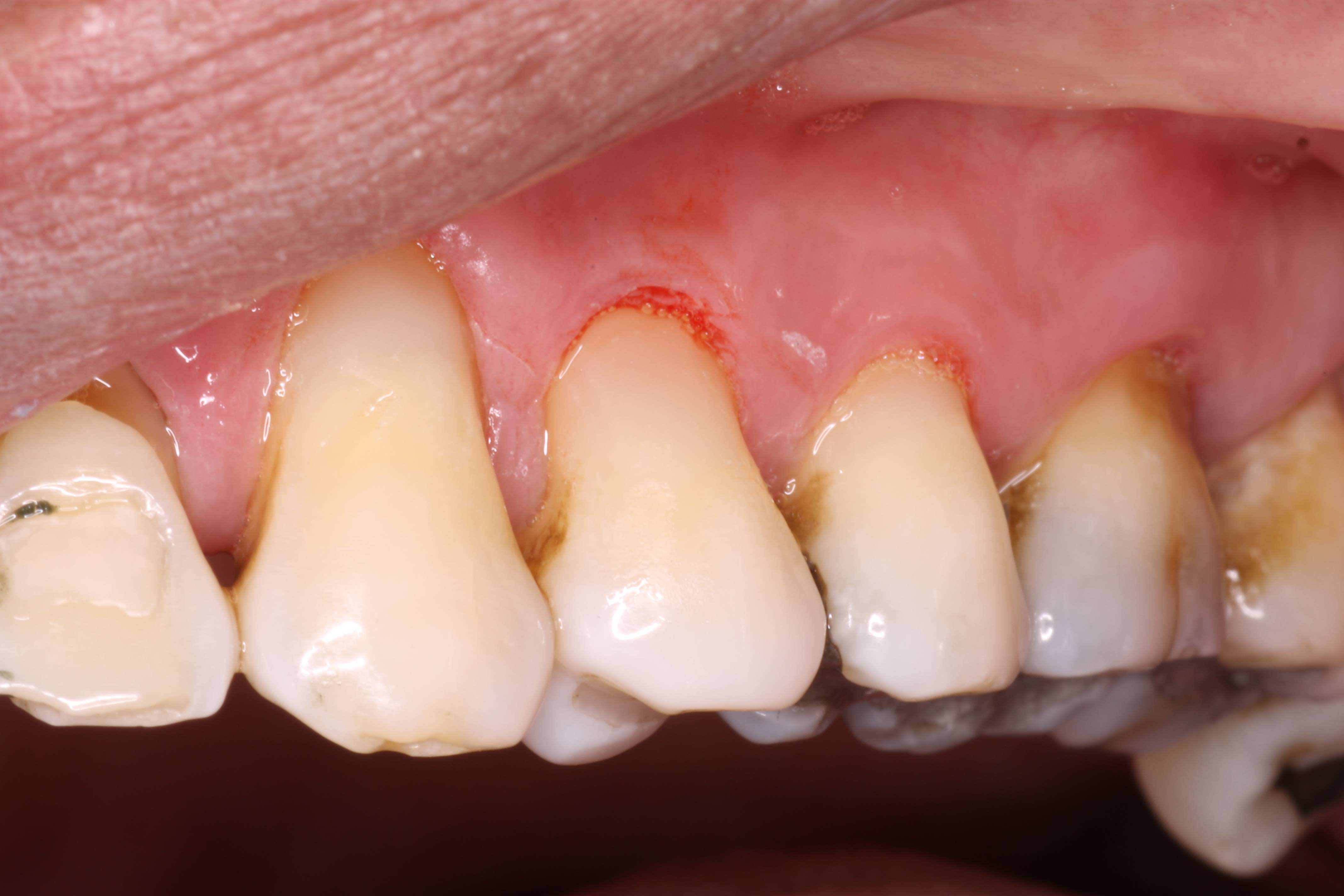
Objectives: To compare the effects of two surface treatment protocols (self-etch vs. selective-etch) on the clinical performance of a universal adhesive and resin composite in Class V non-carious cervical lesions (NCCLs).
Methods: Thirty-three volunteer subjects (17 male; 16 female; age range = 20 to 75 years) having at least two NCCLs were selected from patients of record at Indiana University School of Dentistry. Each subject received one resin composite restoration (Tetric EvoCeram, Ivoclar Vivadent) utilizing a self-etch (SfE) universal adhesive (Adhese Universal, Ivoclar Vivadent) with no separate enamel etching and another restoration utilizing the adhesive and selective enamel etching (SelE) with 37% phosphoric acid (H3PO4). The adhesive and composite were placed following manufacturer’s instructions. The two techniques were compared for differences in sensitivity, retention, marginal discoloration, marginal adaptation, and clinical acceptability at baseline and 6 months using Cochran-Mantel-Haenszel tests for stratified, ordered categorical outcomes.
Results: Sixty-four restorations (31 SfE, 33 SelE) in 26 volunteers were evaluated at 6 months. No significant differences were found between SfE and SelE groups for any variable at either baseline or 6 months (all p > 0.11). Retention was 100% at 6 months for both groups. One SfE and two SelE restorations showed slight marginal discoloration at 6 months. Marginal adaptation was significantly worse at 6 months than at baseline for SelE (p=0.0163), but there was no difference for SfE(p=0.08). Sensitivity improved significantly from baseline to 6 months for both SelE(p=0.0026) and SfE (p=0.0013).
Conclusions: This report on 6-month data for a two-year study indicates significantly reduced sensitivity for both SelE and SfE groups, and deterioration of SelE marginal adaptation. No decreases in retention, marginal discoloration, or clinical acceptability were observed in either group.
Methods: Thirty-three volunteer subjects (17 male; 16 female; age range = 20 to 75 years) having at least two NCCLs were selected from patients of record at Indiana University School of Dentistry. Each subject received one resin composite restoration (Tetric EvoCeram, Ivoclar Vivadent) utilizing a self-etch (SfE) universal adhesive (Adhese Universal, Ivoclar Vivadent) with no separate enamel etching and another restoration utilizing the adhesive and selective enamel etching (SelE) with 37% phosphoric acid (H3PO4). The adhesive and composite were placed following manufacturer’s instructions. The two techniques were compared for differences in sensitivity, retention, marginal discoloration, marginal adaptation, and clinical acceptability at baseline and 6 months using Cochran-Mantel-Haenszel tests for stratified, ordered categorical outcomes.
Results: Sixty-four restorations (31 SfE, 33 SelE) in 26 volunteers were evaluated at 6 months. No significant differences were found between SfE and SelE groups for any variable at either baseline or 6 months (all p > 0.11). Retention was 100% at 6 months for both groups. One SfE and two SelE restorations showed slight marginal discoloration at 6 months. Marginal adaptation was significantly worse at 6 months than at baseline for SelE (p=0.0163), but there was no difference for SfE(p=0.08). Sensitivity improved significantly from baseline to 6 months for both SelE(p=0.0026) and SfE (p=0.0013).
Conclusions: This report on 6-month data for a two-year study indicates significantly reduced sensitivity for both SelE and SfE groups, and deterioration of SelE marginal adaptation. No decreases in retention, marginal discoloration, or clinical acceptability were observed in either group.
IMAGES
2397751_File000000.jpg
2397751_File000001.jpg
2397751_File000000.jpg
2397751_File000001.jpg