IADR Abstract Archives
New Testing Model for Evaluation of Internal Adptaion of Tooth-coloured Restorations
Objectives: To introduce an experimental model for evaluation of internal adaptation of resin-based composite restorations
Methods: An experimental ‘custom-made’ ‘radio-opaque’ colorless acrylic tooth model with standard MOD cavity preparation was used. A micro-CT scanning was performed using micro-CT machine SkyScan 1172 (Bruker microCT, Kontich, Belgium). Also, restored acrylic teeth were vertically sectioned into two halves (mesio-distally) in the center of the restoration in order to expose the restoration/tooth interface. The sectioned specimens were ultrasonically cleaned and restoration/tooth interfaces were examined under PLM. The same specimens were gold sputter coated and examined by FESEM. The specimens were stored inside a dry-keeper auto desiccator cabinet for 3 months and re-examined using the same FESEM to check the stability of the previous observations.
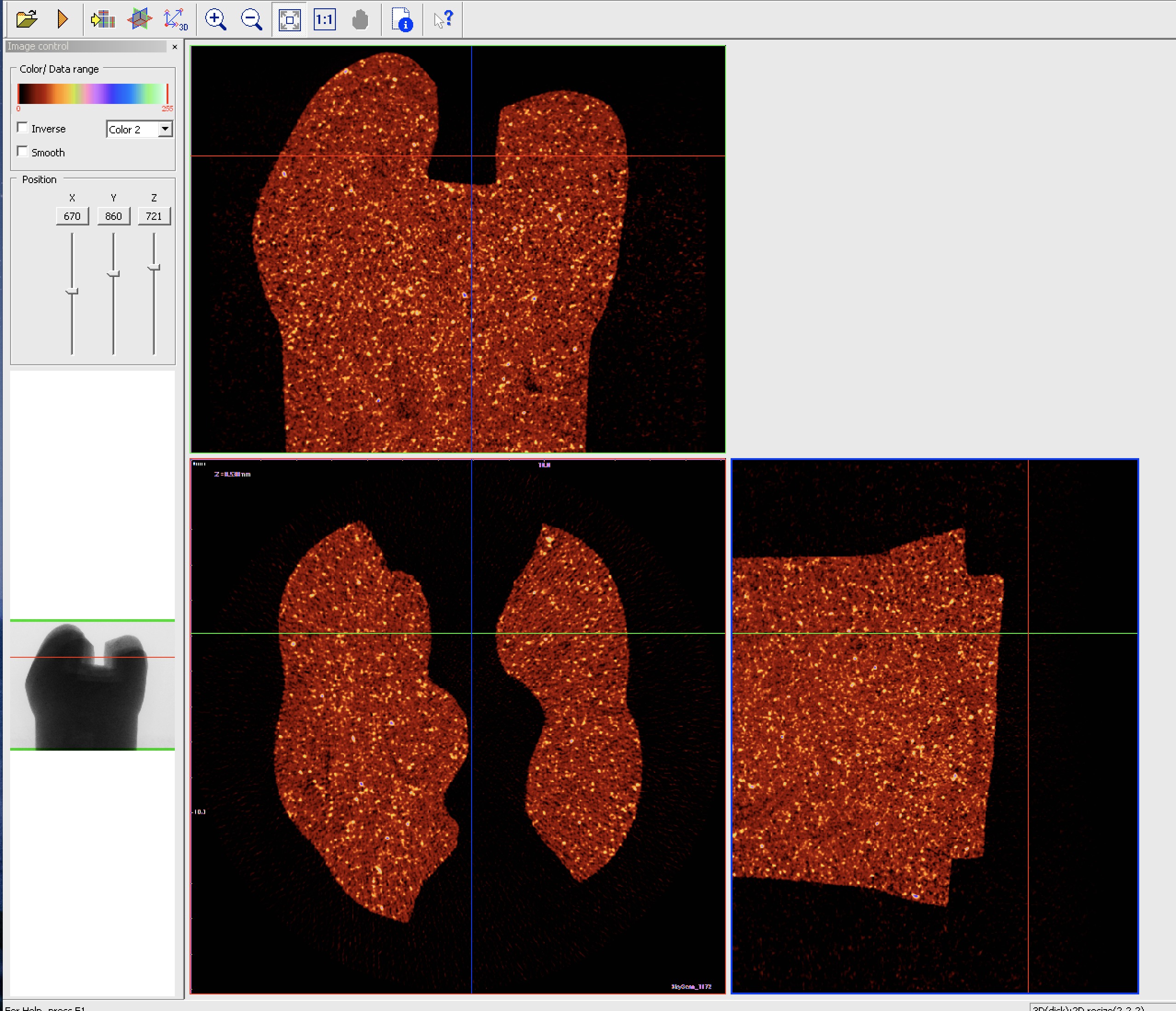
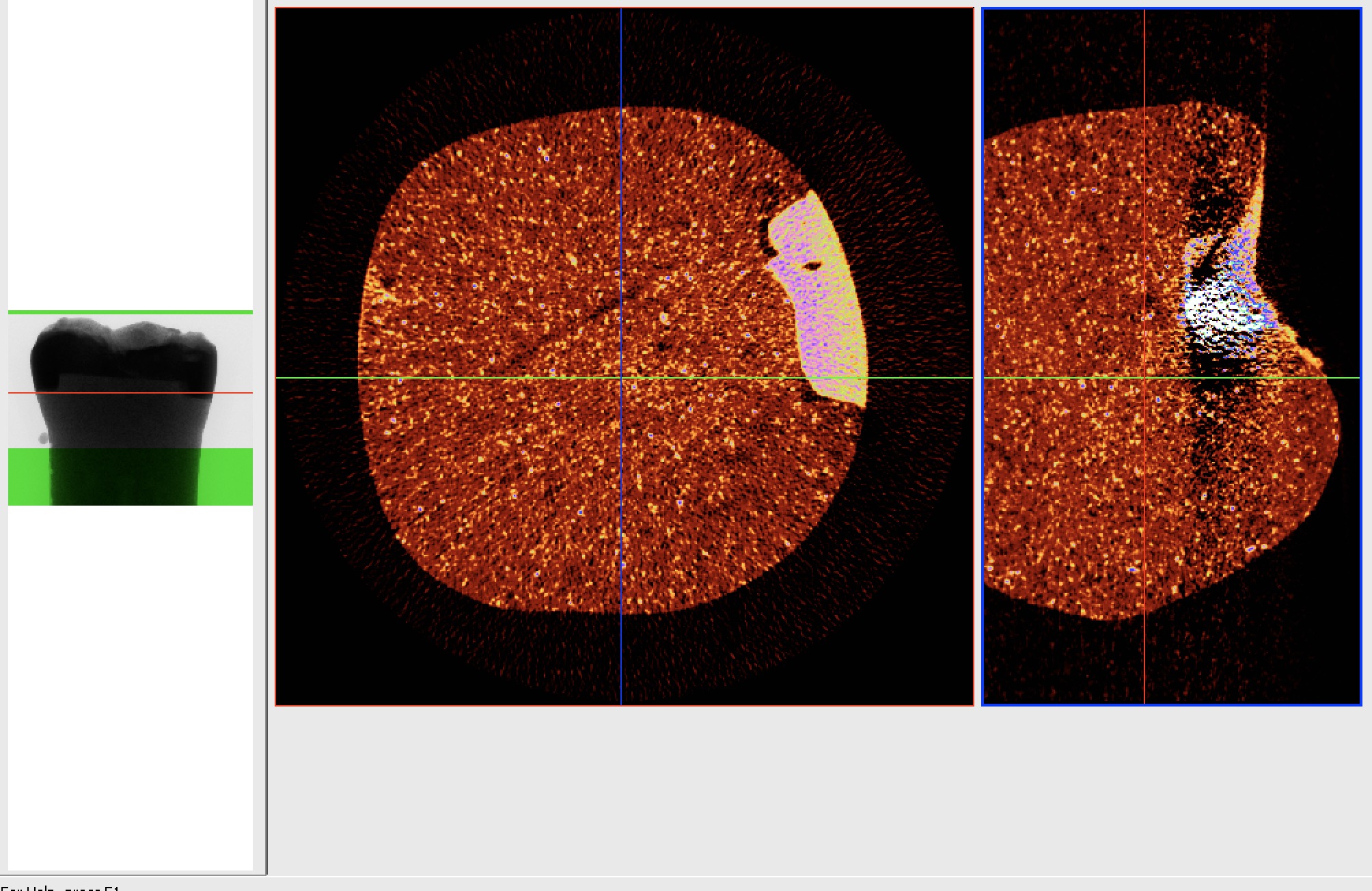
Results: This new testing tooth model was detectable by 3D-temography and the internal adaptation of the restoration can be easily assessed by micro CT. Also, this non-invasive testing method can localize voids or artefacts occurred during the insertion of restorative material with high accuracy.The resin-based composite restoration portion can be easily detected with PLM. Also, tooth substrate can be easily differentiated from resin composite material, which allows accurate assessment of the restoration/tooth interface. The outcome of SEM observations showed the stability of this tooth/restoration interface overtime.
Conclusions: In light of the results of curent study, the new testing model seems to be a valid method for evaluation of the internal adaptation of resin-based composite restorations.
Methods: An experimental ‘custom-made’ ‘radio-opaque’ colorless acrylic tooth model with standard MOD cavity preparation was used. A micro-CT scanning was performed using micro-CT machine SkyScan 1172 (Bruker microCT, Kontich, Belgium). Also, restored acrylic teeth were vertically sectioned into two halves (mesio-distally) in the center of the restoration in order to expose the restoration/tooth interface. The sectioned specimens were ultrasonically cleaned and restoration/tooth interfaces were examined under PLM. The same specimens were gold sputter coated and examined by FESEM. The specimens were stored inside a dry-keeper auto desiccator cabinet for 3 months and re-examined using the same FESEM to check the stability of the previous observations.
Results: This new testing tooth model was detectable by 3D-temography and the internal adaptation of the restoration can be easily assessed by micro CT. Also, this non-invasive testing method can localize voids or artefacts occurred during the insertion of restorative material with high accuracy.The resin-based composite restoration portion can be easily detected with PLM. Also, tooth substrate can be easily differentiated from resin composite material, which allows accurate assessment of the restoration/tooth interface. The outcome of SEM observations showed the stability of this tooth/restoration interface overtime.
Conclusions: In light of the results of curent study, the new testing model seems to be a valid method for evaluation of the internal adaptation of resin-based composite restorations.
IMAGES
2953957_File000000.jpg
2953957_File000001.jpg
2953957_File000000.jpg
2953957_File000001.jpg