IADR Abstract Archives
Association of Developmental Enamel Defects and Psychosocial Childhood Stressors
Objectives: Growing evidence links early life stress exposure and experience, including socioeconomic status and harsh/chaotic and/or non-nurturing childhood environments, to adverse adult health trajectories such as elevated cardiovascular risk profiles, impaired immune function, increased risks for multiple chronic conditions, as well as decreased overall longevity, consistent with McEwan's concept of "allostatic load" describing the cumulative wear and tear on physiologic systems during lifetime. An objective immutable record of childhood stressors rather than a subjective history would be crucial in identifying vulnerable individuals early. The study aims to look at tooth enamel in third molars as a biomarker measure of a person's stress history from approximately 8 to 11 years of age.
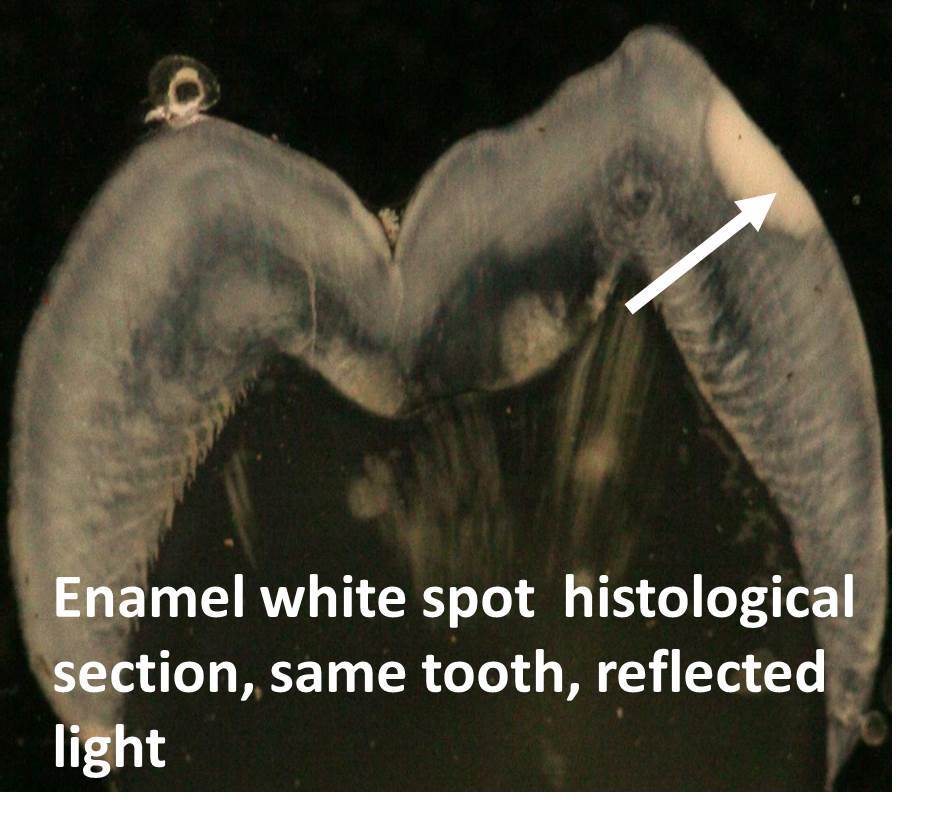
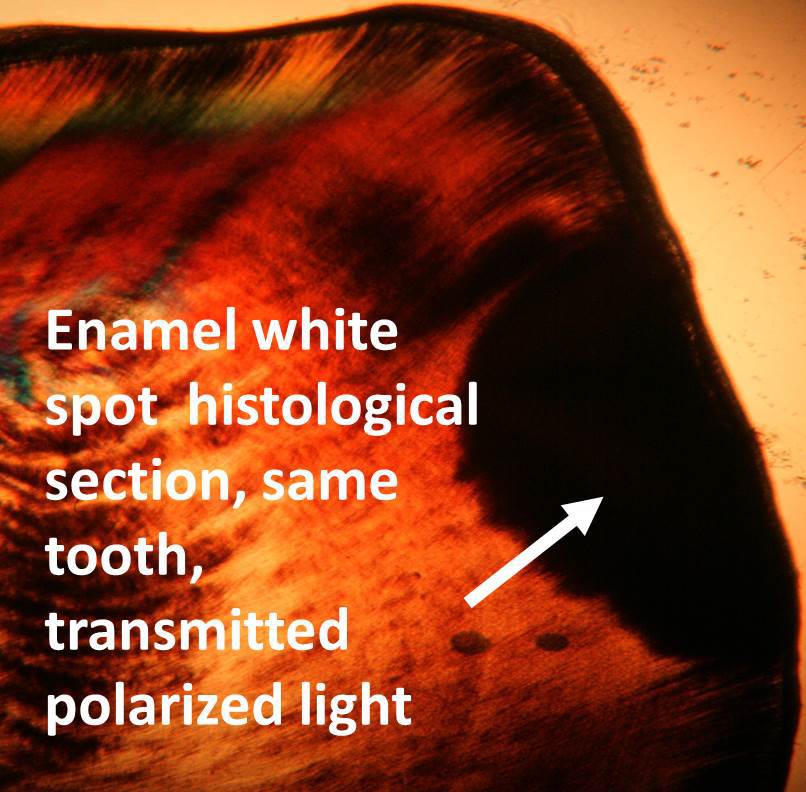
Methods: UCLA Oral Surgery Clinic patients who needed third molar extractions from June 2011 were administered a 17-part questionnaire on psychosocial stressors (parental disharmony, socioeconomic status, emotional and physical abuse, and violence exposure) experienced from 8-11 years of age during 3rd molar enamel formation. Their donated third molars were subjected to hard tissue histology, infiltrating with PMM, sectioning using a diamond saw, wafering, mounting on slides, grinding and polishing, imaging and photographing using transmitted polarized light.
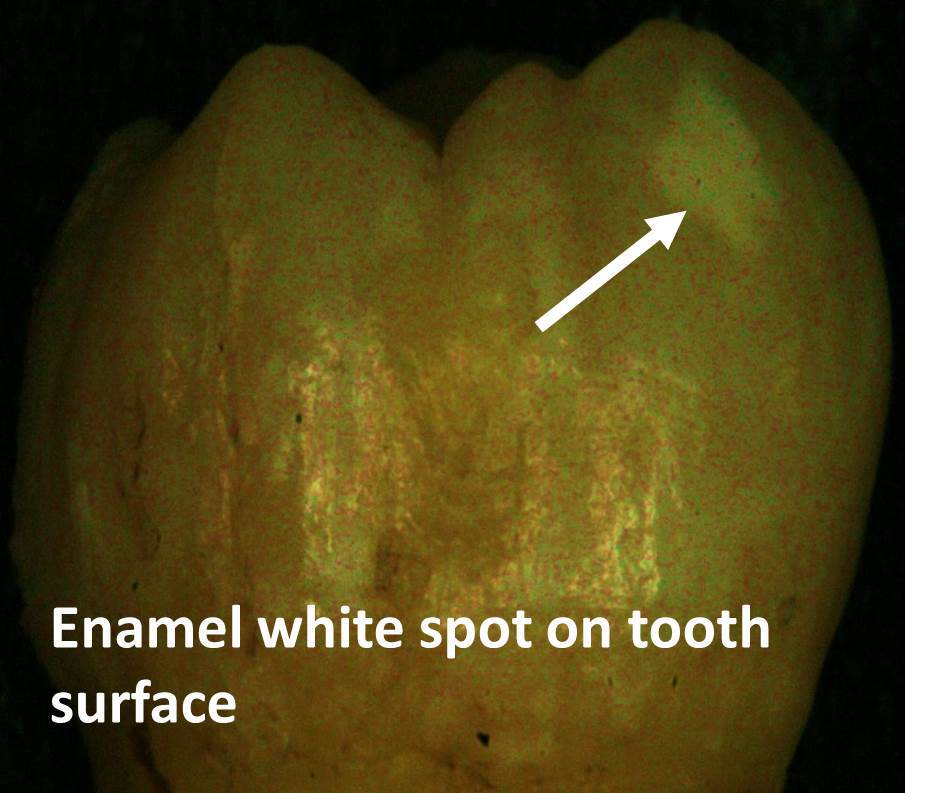
Results: Patients with white spots differed (p = 0.006) in their childhood stress history composite scores from those individuals that did not have white spots of developmental origin. White spots were common, but we were able to distinguish between those of acquired and developmental origin.
Conclusions: Individuals with single white spots on their third molar tooth enamel had significantly higher scores on a composite index representing childhood emotional abuse, physical abuse, parental disharmony, exposure to violence and socioeconomic experience during third molar enamel formation than those without single white spots.
Methods: UCLA Oral Surgery Clinic patients who needed third molar extractions from June 2011 were administered a 17-part questionnaire on psychosocial stressors (parental disharmony, socioeconomic status, emotional and physical abuse, and violence exposure) experienced from 8-11 years of age during 3rd molar enamel formation. Their donated third molars were subjected to hard tissue histology, infiltrating with PMM, sectioning using a diamond saw, wafering, mounting on slides, grinding and polishing, imaging and photographing using transmitted polarized light.
Results: Patients with white spots differed (p = 0.006) in their childhood stress history composite scores from those individuals that did not have white spots of developmental origin. White spots were common, but we were able to distinguish between those of acquired and developmental origin.
Conclusions: Individuals with single white spots on their third molar tooth enamel had significantly higher scores on a composite index representing childhood emotional abuse, physical abuse, parental disharmony, exposure to violence and socioeconomic experience during third molar enamel formation than those without single white spots.
IMAGES
2122987_File000000.jpg
2122987_File000001.jpg
2122987_File000002.jpg
2122987_File000000.jpg
2122987_File000001.jpg
2122987_File000002.jpg